The
HikmahTeaching
Charter
Guiding Principles for Educators of the Modern Madrasa of Ghana
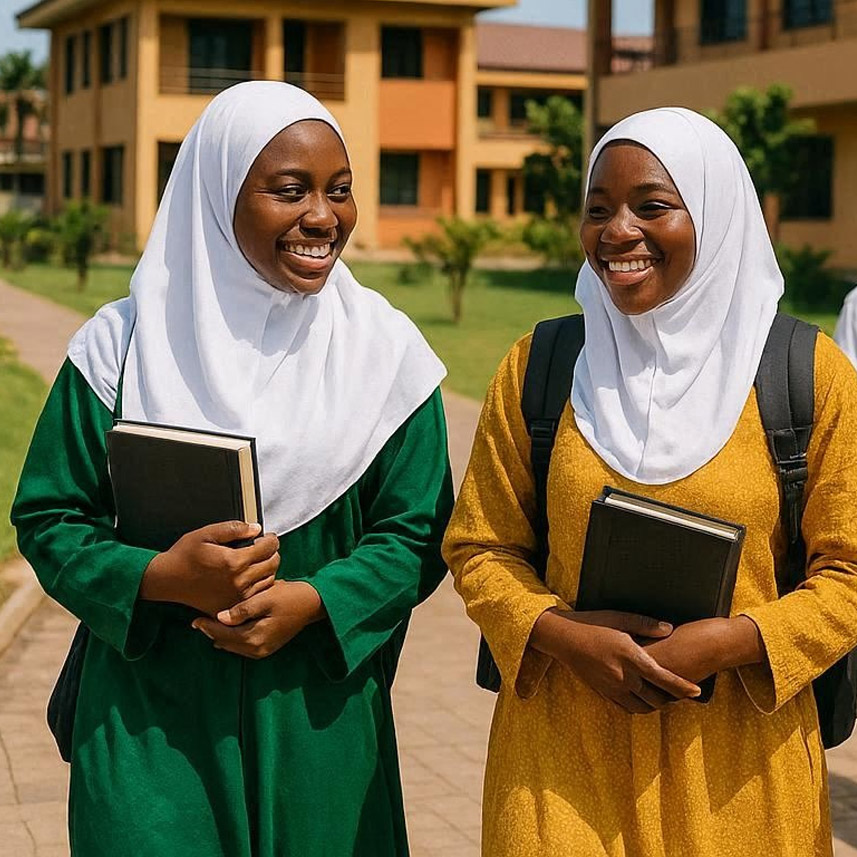
Hikmah – The Modern Madrasa of Ghana – is founded on the belief that true Islamic education produces wisdom, not rigidity; peace, not division; inquiry, not fear.
This Charter articulates the ethical, pedagogical, and spiritual principles that guide all teaching at Hikmah. Every educator is expected to uphold not only the letter of Islamic knowledge, but its higher purpose (maqāṣid).
Our Understanding of Islamic Education
At Hikmah, Islam is taught not as ideology — but as a civilizational and ethical tradition in service of wisdom.
A Mercy-Centered Worldview
Islam is taught as a mercy-centered worldview, not an ideology of dominance or coercion over others.
A Civilizational & Ethical Tradition
Presented as a rich civilizational tradition — not reduced to a narrow sectarian identity or tribal affiliation.
A Path to Wisdom & Self-Mastery
Education is a journey inward — a path to wisdom and self-mastery, not a tool for judging others.
Purpose Is Character & Service
The purpose of knowledge is character, and the purpose of character is service to humanity.
Core Teaching Commitments
Every Hikmah educator commits to teaching in ways that uphold these three foundational principles.
Affirm the Sanctity of Life
Human life is sacred, without qualification. Violence, coercion, or dehumanization of any group is unequivocally rejected. Students must leave class with greater love for life, not fear of it.
Cultivate Peace and Mercy
Islam is presented as a religion of compassion, restraint, and humility. Anger, aggression, and triumphalism have no pedagogical place at Hikmah. Teachers model calm, respectful speech — especially in disagreement.
Honor Human Dignity & Diversity
All humans are treated with dignity regardless of faith, ethnicity, gender, or background. Diversity is taught as divinely intended, not a deviation to be tolerated. Other faiths and worldviews are discussed with respect, accuracy, and fairness.
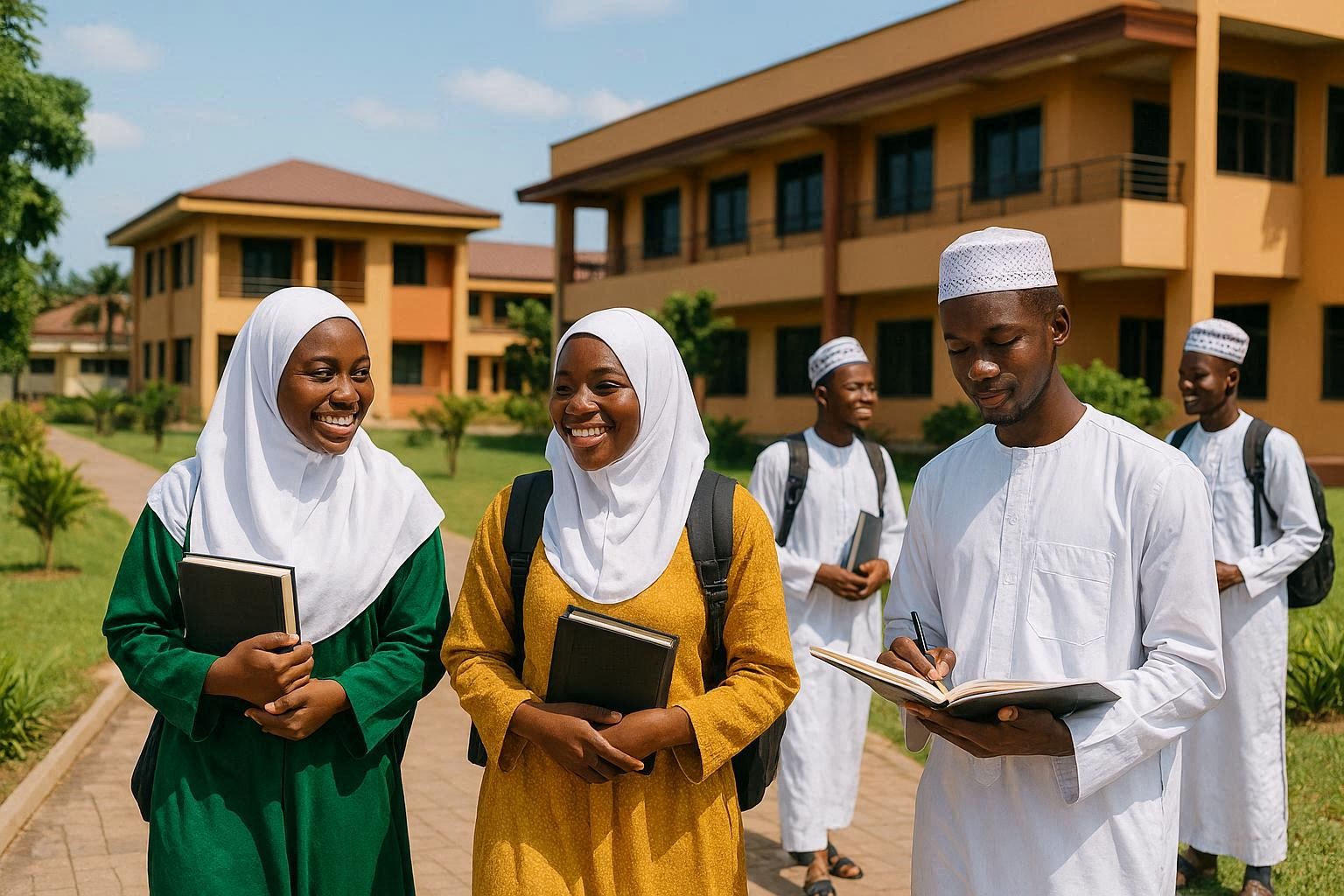
Questioning and curiosity are encouraged — not suppressed.
Knowledge, Inquiry & Critical Thinking
Students are taught how to think — not what slogans to repeat.
Hikmah Affirms
Seeking knowledge is a sacred obligation. Questioning, reflection, and curiosity are encouraged — not suppressed.
- Seeking knowledge is a sacred obligation
- Questioning, reflection, and curiosity are actively encouraged
- Students are taught how to think, not what slogans to repeat
- Welcome sincere questions without shaming
- Distinguish clearly between core principles and scholarly differences
- Encourage intellectual humility — including acknowledging "I don't know"
Clear Rejection of Extremism & Sectarianism
Protecting young minds from ideological radicalization of any kind.
No Extremism
Extremist, absolutist, or violent interpretations of religion have no place in Hikmah classrooms or curricula.
No "Us vs Them"
Teaching that promotes divisive worldviews, sectarian superiority, or obsession with intra-Muslim disputes is forbidden.
Ethics Over Disputes
Emphasize shared ethics over disputed technicalities. Teach unity without erasing difference. Protect every young mind.
Age-Appropriate Wisdom
Teachers are required to teach developmentally, not performatively.
| Stage | Core Focus | Protect From |
|---|---|---|
| Young Children | Values Compassion, honesty, gratitude, care for others — foundational moral character through story and example. |
|
| Adolescents | Identity & Discipline Who am I as a Muslim? How do I live with integrity? Building self-knowledge and principled conduct. |
|
| Seniors | Ethics, Leadership & Responsibility How do I serve, lead, and take responsibility — for self, community, and the world beyond? |
|
Environmental & Social Responsibility
Faith demands constructive contribution to the world — not withdrawal from it.
Serve
Give back to community with sincerity, skill, and dedication.
Build
Construct institutions and relationships of lasting value.
Heal
Mend social, environmental, and spiritual wounds with intention.
Improve
Make the world measurably better through informed, ethical action.
Hikmah education includes respect for nature as a trust (amānah), responsibility toward community and society, and the awareness that faith demands constructive contribution — not withdrawal from the world around us.
The Teacher as Model
At Hikmah, the teacher is part of the curriculum. Every word and gesture is pedagogy.
- Demonstrate humility, patience, and self-discipline in all interactions
- Avoid arrogance, fear-mongering, or performative piety
- Speak with wisdom, restraint, and care — especially before young minds
- Model the values they teach with consistency and sincerity
- Acknowledge their own limits and continue learning
- Use the classroom to promote personal ideologies
- Speak with contempt about other groups, faiths, or peoples
- Reduce Islam to fear, punishment, or identity politics
- Shame students for sincere questions or honest curiosity
- Prioritize performance over genuine character formation
Our Ultimate Aim
The aim of Hikmah education is to nurture students who are wise humans before loud believers.
Spiritually Grounded
Rooted in faith, purpose, and the remembrance of the Divine.
Intellectually Curious
Alive with questioning, open to wonder, and hungry for understanding.
Ethically Disciplined
Principled in action, consistent in character, honest in conduct.
Culturally Rooted
Connected to heritage and identity without being imprisoned by them.
Peace-Oriented
Disposed toward harmony, reconciliation, and resolution of conflict.
Globally Responsible
Aware of their place in the world and their duty to it.
"At Hikmah, we do not merely transmit information. We cultivate wisdom. We do not raise followers. We raise thoughtful, peaceful, and principled human beings."
Wise humans before loud believers.
All Hikmah educators are custodians of this trust.